

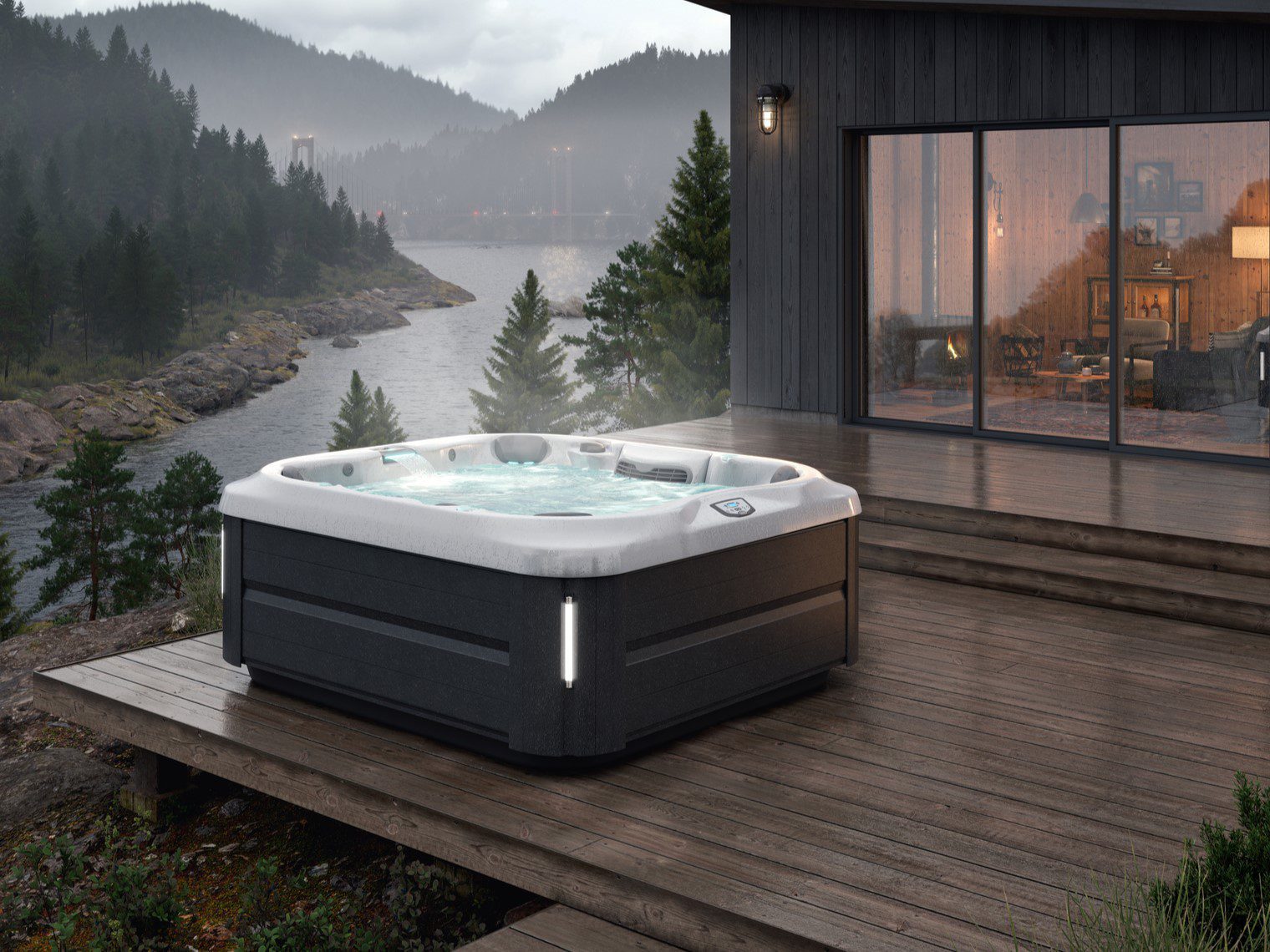
A Jacuzzi is a registered brand of hot tubs, swim spas and wellness products. People often use the word to describe any bubbling outdoor spa, but only products made by the Jacuzzi brand are correctly called Jacuzzi hot tubs. The idea is simple: warm water and targeted jets for hydrotherapy, but the details, build, and experience are what set the brand apart.
The short answer and the longer story
Short answer: Jacuzzi is a brand. It designs and makes premium hot tubs, swim spas and wellness products that use pressurised water and air to deliver hydrotherapy. In everyday speech, many people say “jacuzzi” when they mean “hot tub”, in the same way some say “hoover” for a vacuum cleaner. The brand’s heritage in hydrotherapy and its quality engineering are why the name is so widely used.
Longer story: over decades, the brand has shaped how modern hot tubs feel and function. Ergonomic seating, balanced jet placement, reliable controls and effective insulation are hallmarks of a well-built spa. That is why you will see Jacuzzi associated with Wellness in the home, hospitality and professional sport.
Why people use the word “jacuzzi” for any hot tub
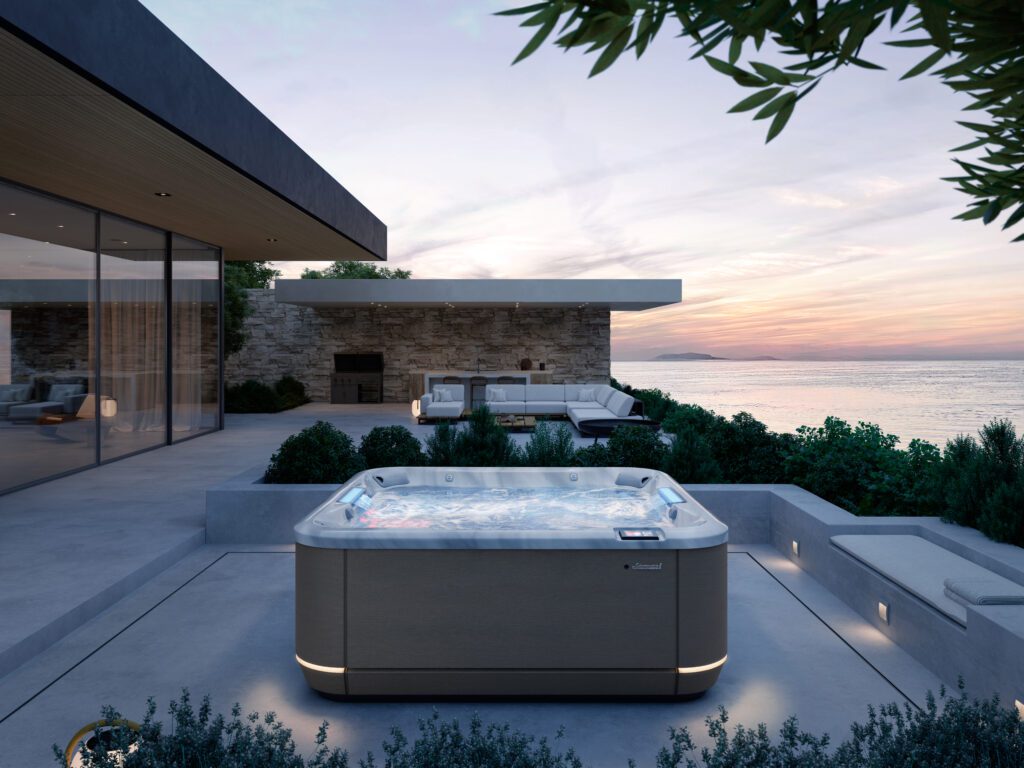
Language follows habit. Because Jacuzzi was one of the first names many people encountered when hot tubs became popular, the brand name moved into everyday use. It is understandable, but it does create confusion when you are researching, comparing options or seeking service information. Treat “jacuzzi” as the brand, and “hot tub” as the general category. You will get clearer advice and more accurate comparisons.
Jacuzzi, hot tub, spa and whirlpool bath, the differences
These terms are related, but not identical.
Jacuzzi is the brand. A Jacuzzi hot tub is a portable, self-contained spa made by the Jacuzzi company.
A hot tub is a product category. It is a self-contained, usually outdoor unit with pumps, a heater, filtration and jets.
Spa is a broad term used for hot tubs, swim spas or in‑ground spas at pools and health clubs.
A whirlpool bath is an indoor bath with jets, designed for bathing rather than outdoor soaking. It fills and drains each use, unlike a hot tub, which maintains treated water for weeks with filtration and sanitising.
The key difference is the use case and configuration. Hot tubs and swim spas are insulated, lidded and engineered to keep water hot and clean between sessions. Whirlpool baths are plumbed like a standard bath and are emptied after each use.
How a Jacuzzi hot tub works
A modern Jacuzzi hot tub is a self-contained system that heats, filters and circulates water while delivering hydrotherapy through jets. The main elements work together to maintain comfort and cleanliness with minimal effort.
- Shell and seating: a durable, often acrylic shell with ergonomically shaped seats and loungers that support the body and place muscles in line with jets.
- Hydrotherapy jets: water and air move through purpose-designed jets to create pressure, flow and massage patterns. Different jets target the back, legs, shoulders and feet.
- Pumps and plumbing: dedicated pumps move water for both jet action and filtration. Pipework routes flow efficiently to reduce friction and energy loss.
- Heater and controls: an electric heater maintains the temperature, managed by an external or in-spa control panel. Timers and modes help balance comfort and running costs.
- Filtration and water care: skimmers, filters and sanitising systems continuously clean the water. With the correct routine, chemicals and testing, water stays clear and safe. If you want to see how modern systems make this easier, read about Jacuzzi True Water.
- Insulation and cover: high-quality insulation reduces heat loss through the sides and base. A well-fitted, insulated cover traps warmth on top when the spa is not in use.
The result is consistent, comfortable hydrotherapy at a set temperature, ready when you are.
What sets Jacuzzi design apart
While the fundamentals of a hot tub are shared across the industry, the experience is defined by the details. A well-specified Jacuzzi hot tub typically focuses on hydrodynamic jet design and placement that balance pressure and flow, giving a massage that is powerful without feeling harsh. Ergonomics, seat heights and body support keep the neck, spine and hips aligned, which helps you relax for longer. Quiet, efficient operation comes from thoughtful plumbing, cabinet insulation and tuned pump systems. Durable materials and finishes resist the elements, maintaining structure, colour and performance over years of outdoor use. Intuitive controls and lighting make the spa simple to use day and night, for short sessions or long soaks. If you want a deeper look at the thinking behind the brand, explore why many owners choose Jacuzzi in our guide, why choose Jacuzzi.
 Where a Jacuzzi hot tub fits, in home and commercial settings
At home, a Jacuzzi hot tub becomes a daily ritual. Garden corners, patios and roof terraces are common locations, chosen for privacy, views or easy access from the house. Families use them for relaxed evenings, recovery after exercise and unhurried conversations away from screens. In holiday parks and premium lodges, robust, easy-to-maintain models are a guest favourite and a proven booking driver. In training and rehab settings, warm water immersion and targeted jets support recovery and mobility.
Whatever the setting, success comes from matching the model to the space and the way it will be used, then installing it correctly with good access, drainage and electrics. If you are comparing options for holiday lets, our Lodge hot tubs collection is designed for commercial use and guest changeover routines.
Hydrotherapy benefits explained simply
Hydrotherapy combines heat, buoyancy and massage. Warm water raises skin temperature and encourages peripheral circulation. Buoyancy reduces body weight loading on joints, easing stiffness. Directed jets create a kneading or sweeping sensation across muscles, which many people find soothing after work or sport. For most healthy adults, time in a hot tub can support a feeling of decompression in the joints and lightness in the body, a reduced perception of muscular tension, and an easier wind-down that can aid a bedtime routine.
These are general wellness effects, not medical claims. People with cardiovascular conditions, pregnancy or specific health concerns should follow medical advice about soaking time and temperature. If you want to hear how Jacuzzi connects technology with everyday wellbeing, our take on what Jacuzzi wellness means is a helpful next read.
Maintenance basics and water care
Looking after a Jacuzzi hot tub is straightforward with a simple routine. Clean water protects bathers, the surface and the internal components, so a little regular attention goes a long way.
- Test and balance: check pH and sanitiser regularly with strips or a tester, and dose accordingly.
- Clean filters: rinse weekly and deep clean on a schedule to keep water moving freely.
- Keep it covered: close the insulated cover whenever the spa is not in use to keep heat in and debris out.
- Refresh the water: drain and refill on a sensible cycle, which varies by usage, bather load and product guidance.
- Service periodically: have a professional check seals, controls and components for reliable long-term running.
Choose water care products designed for hot tubs rather than pool chemicals. Follow the manufacturer’s instructions and keep everything out of reach of children. If you prefer a system that helps make maintenance feel easier, have a look at Jacuzzi True Water.
Energy use and efficiency: what actually matters
Modern hot tubs are designed to hold temperature efficiently, which keeps running costs predictable. Several practical choices make a measurable difference. Good cabinet and base insulation reduces heat loss to the air and ground. A well-fitted, good-condition cover is essential, and it is worth replacing a cover that absorbs water or leaks heat. Location matters too, so shelter the spa from prevailing wind and avoid exposed corners if you can. Sensible temperature settings save energy, with many owners finding 37 to 39 degrees comfortable and stable throughout the year. A small reduction in setpoint can make a noticeable saving. Scheduled filtration and economy modes help balance water clarity with cost, so use those features as designed rather than switching the spa fully off between sessions.
If you entertain often or use the spa daily, holding temperature is usually more efficient than large heat-up cycles from cold.
Choosing between models, size, seating and specification
Choosing well starts with how you plan to use the spa. Think about how many people will usually be in the water and how often children or guests will join. Measure your space for access routes, steps and the opened cover. Decide whether you prefer upright therapy seats or a lounger that lets you recline. Consider the hydrotherapy style you like, a steady broad flow or a more targeted deep massage in certain positions. Look for a build that feels solid when you sit down, with controls that are clear at a glance and a cabinet that looks good against your home and garden materials. If you want a quick way to narrow the field, use our Find Your Perfect Hot Tub tool to outline your preferences and see suitable options.
Entry models can be excellent for smaller households or compact spaces. Larger, premium models usually offer more varied seating heights, refined massage options and advanced lighting or audio. The best choice is the one that fits your life and your site without compromise.
Responsible use and practical safety
A few simple practices keep spa time comfortable and safe. Always follow the electrical and installation requirements specified for your model, and use qualified installers and electricians. Keep water chemistry within recommended ranges, because poorly balanced water can irritate skin and eyes and can damage components. Limit long sessions at high temperatures, take breaks, drink water and listen to your body. Supervise children at all times, and secure the cover with clips or straps when not in use. People who are pregnant, have heart conditions, high or low blood pressure or other medical concerns should seek advice before use.
These are common-sense steps that protect people and equipment, and they help the spa feel great every time.
 Swim spas and whirlpool baths are related but different experiences
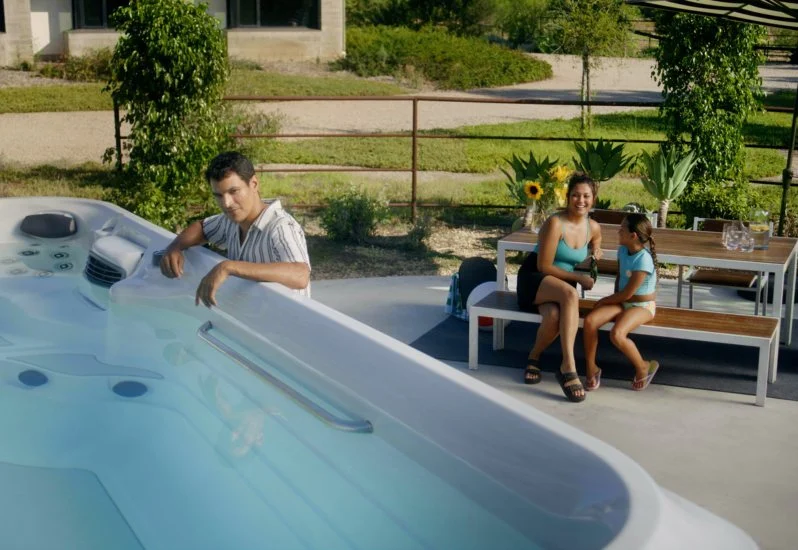
A swim spa is a larger, all-in-one unit that combines hot tub seating with a swim current for exercise. It maintains warm, treated water like a hot tub and is installed outdoors or in a dedicated indoor space. A whirlpool bath is installed in a bathroom and is emptied after each use. They serve different needs. If you want year-round hydrotherapy and soaking with family or friends, a hot tub is usually the best fit. If you want exercise against a current as well as hydrotherapy, a swim spa may be ideal. If your priority is a bathing experience indoors, then a whirlpool bath is the right category. For a deeper look at the exercise option, see our What is a swim spa? guide.
Site planning and installation considerations
Before delivery day, plan the route from the kerb to the final position. Check gate widths, turns and overhead obstacles. Prepare a level, load-bearing base that will not settle, for example, reinforced decking designed for the weight, a concrete pad or properly constructed paving. Confirm the electrical supply meets the model’s requirements and that an isolation switch will be installed in the correct location. Provide drainage to manage splash and rain. Think about privacy, lighting at night and how the cover will open without blocking doors or windows. Good planning makes ownership easier from day one. If you want us to sense check access or discuss base options, contact our showroom team.
Sustainability and lifespan
A quality hot tub is a long-term addition to your home. Durable shells, reliable pumps and replaceable consumables such as filters and covers contribute to a lifespan measured in years. Efficiency matters over that lifetime. Effective insulation, a tight cover and smart controls reduce ongoing energy demand. Responsible water care, draining and refilling on the right cycle, and safe disposal of spent filters also help reduce environmental impact. Choose a model from a brand that supports parts and service so maintenance is straightforward throughout ownership.
When the brand matters
Because the word “jacuzzi” is used generically, it is easy to overlook the benefits of choosing the actual brand. Established engineering, consistent hydrotherapy, comfortable seating, strong after-sales support and a product designed for long-term ownership are reasons many households and businesses specify a genuine Jacuzzi hot tub. If you value hydrotherapy quality and predictability over time, the badge on the shell matters.
Explore Jacuzzi wellness with Bedfordshire Hot Tubs
If you are ready to experience the difference, speak to a specialist who lives and breathes hydrotherapy. As a Jacuzzi Strategic Partner, we can help you understand seating layouts, hydrotherapy styles, installation needs and care routines, then match you with a model that suits your home and routine. Explore our approach and the wider range of Jacuzzi hot tubs, swim spas and saunas on our homepage for ideas and next steps, or get in touch to plan a visit.
Frequently Asked Questions
Is Jacuzzi a brand or a type of hot tub?
Jacuzzi is a brand. People often use “jacuzzi” to mean any hot tub, but only products made by the Jacuzzi brand are correctly called Jacuzzi hot tubs.
What power supply do I need for a Jacuzzi hot tub?
Many full-size models require a dedicated 32A hard-wired supply fitted by a qualified electrician. Some compact or entry models can run on a 13A supply. Always check the specific model’s requirements before installation.
How often should I change the water in my hot tub?
It depends on usage and bath load, but many owners refresh the water every 8 to 12 weeks. Test and balance regularly, keep filters clean and follow the manufacturer’s guidance for your model.
Do Bedfordshire Hot Tubs provide installation and aftercare?
Yes. We arrange delivery and installation with trusted partners and support you with water care advice and maintenance options so ownership stays simple over the long term. You can contact us to discuss what is included.
What temperature should I set my hot tub to?
Most owners in the UK set the temperature between 37 and 39 degrees Celsius for comfort. A small reduction can save energy, so choose a temperature that suits you and your season.
Can I visit Bedfordshire Hot Tubs to see Jacuzzi models?
Yes. You can visit our showroom to compare seating layouts, controls and finishes, and to speak with a specialist about your site and preferences. Use the contact page to plan your visit.

